
Compression Tube Fittings: Types, Materials, and Assembly Checks
HGW Hydraulics on Jan 21st 2021
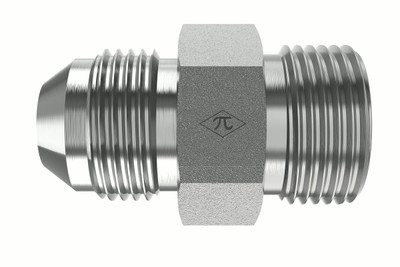
Compression fittings are tube connections built around a fitting body, nut, and ferrule or ferrules. Choosing the right one is about more than naming the part. Buyers need to understand the fitting style, where it will be used, what material the service requires, and how the tube is assembled so the connection can seal.
For HGW buyers, start by confirming whether the connection is a single-ferrule or double-ferrule instrumentation fitting, a flareless bite-type tube fitting, or another tube connection. Then match tube outside diameter, material, pressure, temperature, media, and the fitting manufacturer's assembly requirements.
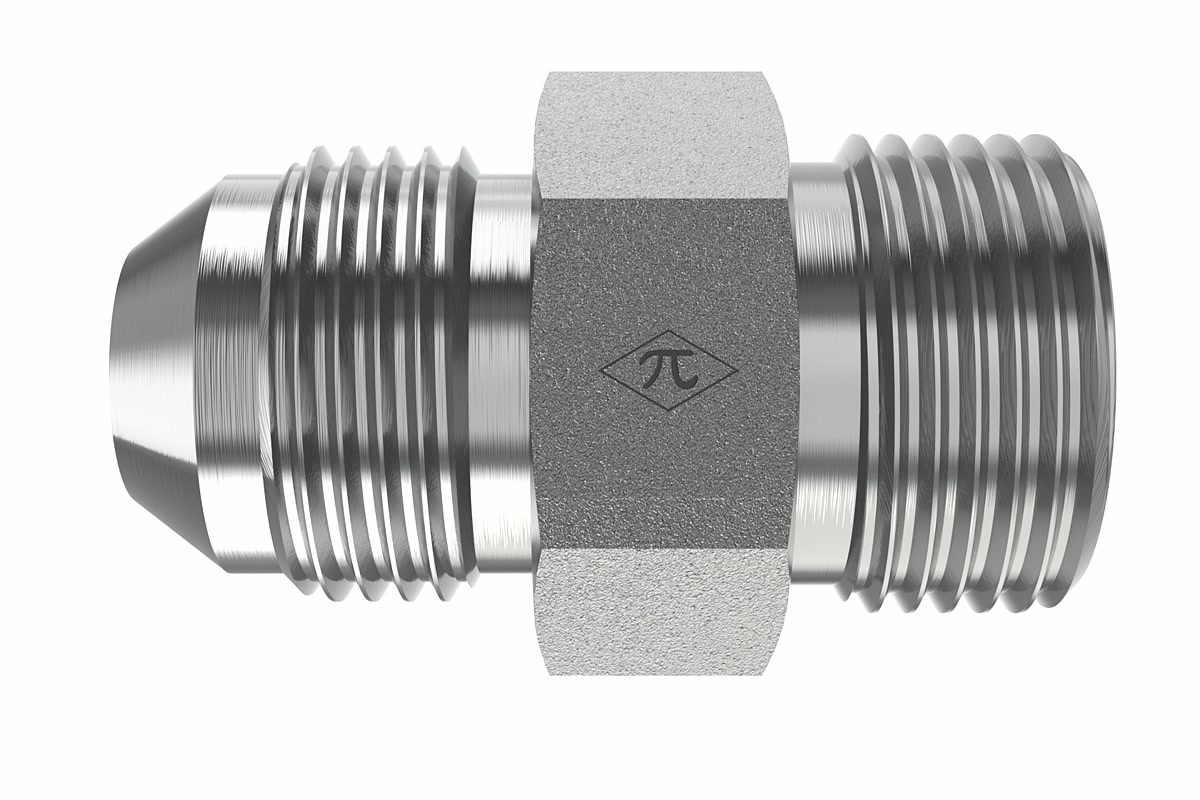
Single ferrule vs double ferrule compression fittings
A compression fitting normally grips the tube by tightening the nut so the ferrule bites or compresses against the tube and fitting body. Single-ferrule designs use one ferrule to grip and seal. Double-ferrule designs split the job between a front ferrule and a back ferrule, which can improve tube grip and sealing control in demanding instrumentation service.
Double-ferrule fittings are commonly used where leak control, vibration resistance, and repeatable assembly matter. They are often seen in process instrumentation, sampling lines, gas service, chemical processing, power generation, and oil and gas skids. The exact pressure rating still depends on the tube material, tube wall thickness, fitting design, and temperature.
Common materials and why they matter
Compression fittings are often made from brass, carbon steel, stainless steel, or higher-alloy materials. Brass is common in lower-pressure plumbing and general utility uses. Stainless steel is common where corrosion resistance, cleanliness, or higher service demands matter. Carbon steel can be used where the media and environment allow it.
For severe corrosion, high temperature, chemical processing, offshore service, or critical instrumentation, buyers may need specialty alloys such as Hastelloy, Monel, Inconel, Alloy 400, or other corrosion-resistant materials. The material decision should match the fluid, gas, ambient environment, cleaning process, temperature, and safety requirements. Do not choose a fitting material only by price if the media is caustic or the equipment is difficult to shut down.
Applications that use compression fittings
Gas and CNG lines
Compression fittings can be used on gas-related tube runs when the fitting style, code requirement, pressure, material, and accessibility are suitable. Gas connections often need to remain accessible for inspection and maintenance, and sealant practice must match the service.
Chemical processing
Chemical plants use instrumentation tube fittings for sampling, process measurement, dosing, and control lines. Corrosion resistance and media compatibility are often the deciding factors.
Oil and gas
Upstream, downstream, offshore, and skid-mounted systems can use compression fittings for instrumentation lines, gauges, panels, and control equipment. Stainless steel and specialty alloys are common in harsh environments.
Medical, pharmaceutical, and clean systems
Clean process equipment may depend on reliable tube connections for gas or liquid transfer. Material traceability, cleanliness, and leak control can be more important than simple catalog matching.
Power generation and aerospace
Power, nuclear, and aerospace applications may require high-quality tube connections, certified materials, and careful installation because the cost of leakage or downtime is high.
Assembly checks before tightening
Always follow the fitting manufacturer's instructions, but the basic field checks are consistent. Cut the tube square, deburr it, make sure it is clean, insert it fully into the fitting body, finger-tighten the nut, mark the nut position, hold the body with a backup wrench, and tighten the nut the specified amount for the fitting size. Some larger or higher-pressure tube fittings may require pre-setting or swaging tools.
After assembly, many instrumentation fittings are checked with a gap inspection gauge. If the gauge enters the gap when it should not, the nut may need additional tightening according to the fitting instructions. Over-tightening is also a risk, especially if the fitting has already been assembled before.
Mistakes to avoid
- Do not mix nuts, ferrules, and bodies from different manufacturers unless compatibility is explicitly confirmed.
- Do not reuse damaged ferrules or install on scratched, oval, dirty, or poorly cut tube.
- Do not assume stainless, brass, carbon steel, and exotic alloy fittings are interchangeable in corrosive service.
- Do not hide gas-service compression connections where inspection is required.
- Do not order by tube outside diameter alone; confirm material, wall thickness, pressure, temperature, and media.
Related HGW categories
- Metric / DIN 2353 fittings
- Flareless bite type tube fittings
- SAE O-Ring Boss fittings
- Full product catalog
FAQ
What are the main parts of a compression fitting?
The basic parts are the fitting body, compression nut, and ferrule or ferrules. Double-ferrule designs use a front ferrule and back ferrule.
Where are compression fittings commonly used?
They are used in instrumentation, gas lines, chemical processing, oil and gas skids, medical and pharmaceutical equipment, power generation, aerospace, and other tube systems.
Can compression fitting components be mixed between brands?
Do not mix components unless the manufacturer confirms compatibility. Ferrule geometry and body design can differ, and mismatched parts can leak.