
D.O.T. Air Brake Fittings: Push-to-Connect Checks for Buyers
HGW Hydraulics on Mar 23rd 2021

Quick answer
A D.O.T. air brake fitting is selected for regulated vehicle air-brake service, not simply because it is a push-to-connect fitting. Buyers need to confirm D.O.T. suitability, tubing size, material, temperature range, vibration resistance, and whether the fitting is designed for nylon air brake tubing or another approved tube.
Push-to-connect designs can save installation time, but the system still depends on clean tube cuts, full insertion, a sound O-ring seal, and a fitting rated for the service.
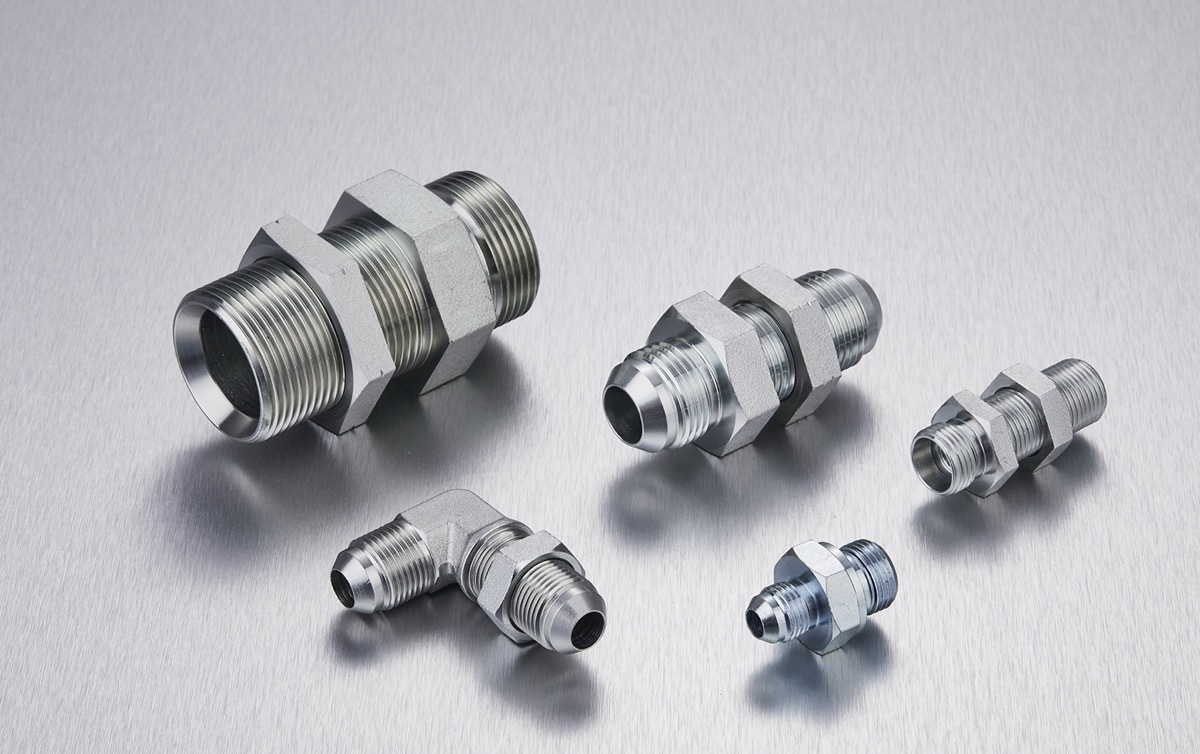
Why push-to-connect fittings are common in air brake lines
Air brake lines often run through tight spaces on trucks and trailers. Push-to-connect fittings can be installed quickly by pushing the tube into the fitting until it seats. They are also easier to disassemble in service than a compression connection that requires a nut and ferrule assembly.
The advantage is speed and accessibility. The risk is assuming any push-in fitting is acceptable. A fitting used in air brake service should match the tube, pressure, temperature, vibration, and applicable approval requirements.
Material and seal checks
Common air-brake push-to-connect fittings may use brass, nickel-plated brass, composite bodies, collets, and O-rings. The O-ring creates the seal on the outside of the tube, so tube surface condition matters. A scratched, oval, dirty, or poorly cut tube can leak even when the fitting body is correct.
Material selection should also consider road splash, salt, cold weather, heat near engine areas, and service exposure. Do not choose only by price when the fitting sits in a safety-related line.
Installation checks before the vehicle returns to service
Cut the tube square, remove burrs, make sure the end is round, push the tube fully into the fitting, and pull back lightly to confirm engagement. After assembly, check for leaks according to the vehicle or fleet procedure.
If a line is routed under strain, pulled sideways, rubbing against a frame member, or exposed to repeated movement, the fitting can fail early. Routing and clipping are part of the fitting decision.
HGW sourcing note
HGW focuses on hydraulic fittings and adapters, so air-brake parts should be treated as an application-specific request. When asking for help, provide photos of the old fitting, tube OD, material requirement, vehicle location, and any D.O.T. or SAE markings on the part.
For adjacent hydraulic replacement work, compare related families in the full HGW catalog, especially pipe, ORB, JIC, and hose adapter categories.
FAQ
Can a normal push-to-connect fitting be used for air brakes?
Do not assume that. Air brake service can require specific materials, markings, and performance requirements. Match the tube and approval requirement before ordering.
What causes leaks in push-to-connect air brake fittings?
Poor tube cuts, scratched tubing, incomplete insertion, damaged O-rings, side load, wrong tube material, and using a fitting not intended for the service are common causes.
What information should I record before replacing one?
Record tube OD, tube material, fitting shape, port thread if present, location on the vehicle, markings, and whether the line sees heat, road salt, vibration, or tight routing.