Forged vs Brazed Hydraulic Fittings: What Buyers Should Compare
HGW Hydraulics on Mar 31st 2021
Quick answer
Forged fittings are usually preferred where strength, consistency, impact resistance, and pressure performance matter. Brazed fittings can still appear in some assemblies, but buyers should understand the joint, material, process control, and application risk before treating a brazed construction as interchangeable with a forged one.
The right question is not only how the part was made. It is whether the manufacturing method, material, geometry, seal, pressure rating, and inspection requirements fit the hydraulic system.
What forging changes in a fitting body
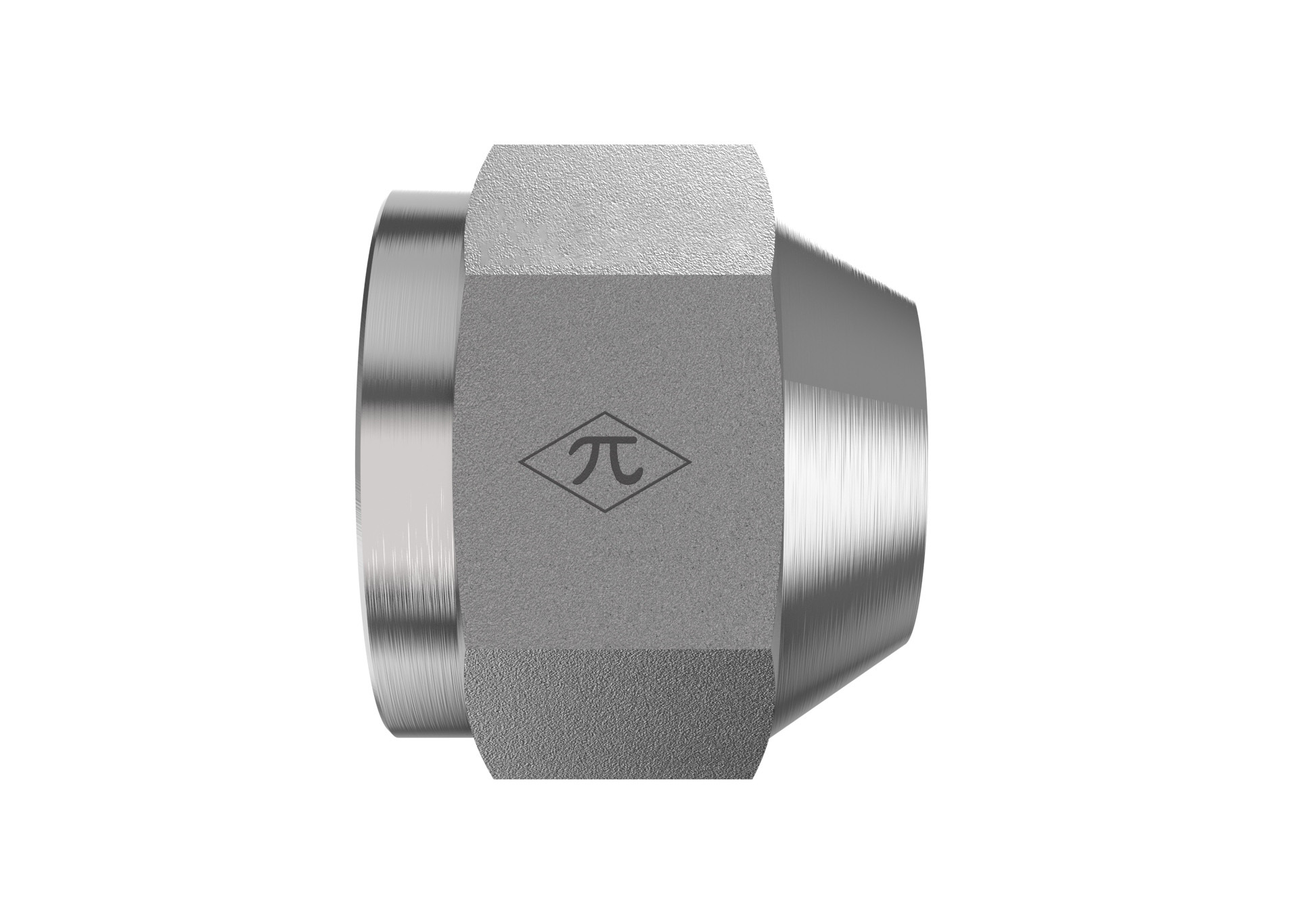
Forging shapes heated or cold-worked metal under pressure. A well-controlled forging process can align grain flow with the part shape, reduce waste, and produce a dense structure with good mechanical strength. This is why forged steel fittings are common in demanding hydraulic and industrial applications.
Buyers should still check the actual standard, material grade, heat treatment, finish, and dimensional control. Forged construction is a strength signal, not a substitute for matching the connection.
Where brazing can create a buying question
Brazing joins components with filler metal. It can be useful in some manufactured assemblies, but the joint area becomes part of the risk review. Heat input, joint preparation, filler compatibility, inspection, and service temperature can all matter.
For high vibration, pressure cycling, shock, or critical downtime conditions, buyers often prefer one-piece forged or machined designs where available. If a brazed assembly is being replaced, check whether the original design required that construction or whether a standard forged adapter can solve the application.
Compare the part, not only the process
A fitting can be forged and still wrong if the thread, flare, O-ring, face seal, tube size, or body angle does not match. A buyer should compare manufacturing process after confirming the connection family and pressure requirement.
Look for the details that change performance: wall thickness, radius at corners, port engagement, plating or coating, corrosion exposure, inspection markings, and whether the fitting will be assembled repeatedly.
HGW buyer checklist
For standard replacements, start from the connection family: JIC, NPT, SAE O-ring boss, ORFS, BSP, Metric / DIN, or flange adapters.
For custom or higher-risk work, include material, pressure, quantity, drawing, surface finish, coating, inspection requirement, and whether forged construction is required by the buyer, drawing, or end use.
FAQ
Are forged fittings always stronger than brazed fittings?
Forged fittings usually offer strong, consistent body structure, but performance still depends on material, design, inspection, and the specific service. Compare the complete fitting, not only the process name.
When should I avoid substituting a brazed fitting?
Be cautious in high pressure, vibration, shock, high temperature, or critical downtime applications unless the brazed design is specified and qualified for that service.
What should I send for a quote?
Send the fitting drawing or photos, connection ends, material, pressure requirement, finish, quantity, and whether forged construction is required.