
Ground Support Equipment Hydraulic Hose Protection: What to Check
HGW Hydraulics on Jan 6th 2021

Quick answer
GSE hydraulic hose protection helps keep hydraulic hose assemblies on ground support equipment from wearing out early due to abrasion, vibration, repeated flexing, impact, weather, snow, ice, debris, and tight routing. The protection may be a sleeve, spiral guard, wear pad, hose protector, bend restrictor, or a routing change that keeps the hose away from damage points.
Protection should not be treated as decoration or a quick cover-up. If the same hose keeps failing, the real problem may be hose length, bend radius, twist, clamp placement, installation angle, or fitting stress. A good inspection looks at the whole hose path, not only the damaged spot.
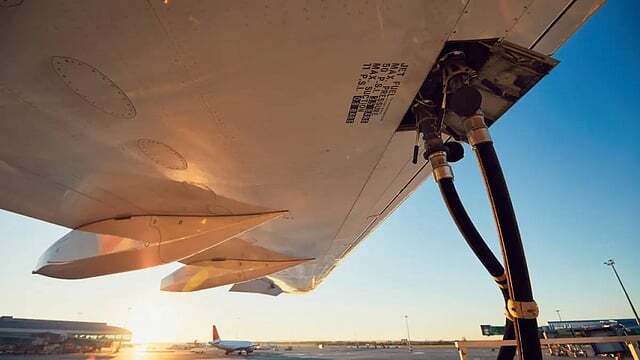
What is GSE hydraulic hose protection?
Ground support equipment works around aircraft, terminals, service lanes, maintenance areas, and outdoor ramps. Many machines use hydraulic hoses to steer, lift, tilt, clamp, raise, lower, position, or power attachments. Hose protection is the combination of material protection and installation control used to reduce wear on those hose assemblies.
In practice, hose protection can mean adding a protective sleeve, using spiral guard where abrasion is expected, installing a wear pad near a contact point, adding a bend restrictor near a fitting, or changing the route so the hose no longer rubs on the frame. The protection method should match the actual risk. A sleeve may help with abrasion, but it will not correct a hose that is too short or twisted during installation.
Why GSE hoses wear out faster than ordinary hydraulic hoses
GSE hoses often work in conditions that are harder than a clean indoor hydraulic system. Equipment may be used outside, parked in changing weather, exposed to water, deicing chemicals, dust, grit, snow, ice, fuel-service areas, and repeated movement around operators and vehicles. Hoses may also pass near wheels, lift arms, folding structures, brackets, and frame edges.
Those conditions create several common failure patterns. Abrasion removes the outer cover. Vibration loosens clamps or moves the hose against nearby surfaces. Tight routing bends the hose near the fitting. Impact can crush or cut the cover. Outdoor exposure can make inspection intervals more important because small damage can become a leak during active service.
Common damage points on ground support equipment
The most useful inspection starts with the hose path. Follow the assembly from one fitting to the other and look for places where the hose touches another part, changes direction sharply, exits a clamp, or moves during operation. Damage often appears near a fitting, but the cause may be farther down the route.
Protection options and when to use them
Different protection products solve different problems. Choosing one without checking the failure mode can hide the symptom while leaving the cause in place.
Hose sleeving
Hose sleeving is useful when a hose needs additional cover protection, abrasion resistance, or containment around an area where fluid spray or pinhole leakage would create a safety concern. It is often used on routed hose bundles or exposed sections that must remain protected during movement.
Spiral guard
Spiral guard can help where the hose may rub against equipment surfaces or where a flexible protective wrap is needed. It should be installed so it protects the contact area without preventing inspection of the hose and fittings.
Hose protectors and wear pads
Hose protectors and wear pads are useful at known contact points, especially near brackets, clamps, frame edges, or areas where the hose may touch a hard surface during motion. They are most effective when the contact point is predictable and the hose route is otherwise correct.
Bend restrictors
Bend restrictors are used near hose ends where the hose exits a fitting and bends during operation. They help reduce stress at the outside of the bend, but they do not replace correct hose length or proper fitting orientation.
When protection is not enough: routing, bend radius, and fitting stress
If a protected hose keeps failing, the protection product may not be the main issue. The assembly may be too short, routed through a moving pinch point, bent too tightly, twisted during installation, or pulled sideways at the fitting. In those cases, adding more sleeve can make the hose harder to inspect without fixing the stress.
Fittings and adapters matter most when damage appears near the connection. A straight fitting may force the hose into a tight turn where a 45 degree or 90 degree fitting would create a cleaner path. A swivel may help installation in some assemblies, while the wrong connection type can create sealing problems even when the threads appear close. Before replacing a hose assembly, confirm the thread type, sealing method, fitting gender, fitting angle, and orientation between both ends.
Equipment-specific checks
Jet bridges and passenger boarding bridges
Jet bridges move repeatedly as they align with aircraft doors. Check hoses near pivots, wheel assemblies, lift sections, and areas where the bridge changes height or angle. Look for flexing near fittings and rubbing where hoses pass through moving structures.
Tugs and tractors
Tugs and tractors can expose hoses to vibration, steering movement, road debris, impact, and repeated service cycles. Inspect hose routes near steering components, tow points, frames, and wheel areas.
Cargo loaders and belt loaders
Cargo loaders and belt loaders raise, lower, extend, and position equipment during loading work. Check hoses at lift arms, platform pivots, conveyor movement points, and areas where the hose may be pulled during elevation changes.
Snowplows and runway brooms
Airport snowplows and runway brooms combine outdoor weather, ice, debris, vibration, and high movement around large attachments. Check for abrasion, crushed guard, damaged clamps, and hoses bundled tightly around blade or broom movement areas.
Refueling support equipment
Refueling support equipment may include both fuel-service hoses and hydraulic lines on carts or support systems. Keep the systems separate during inspection. Fuel hose protection focuses on handling wear and visibility, while hydraulic hose replacement still requires checking pressure requirements, routing, and connection type.
Deicing units
Deicing equipment may expose hose assemblies to outdoor cold, fluid handling areas, boom movement, and repeated positioning. Inspect hose protection near moving booms, service reels, lift structures, and sections exposed to ice or chemical residue.
Related HGW products
When a GSE hose assembly needs replacement, the connection details should be checked along with the hose path. Relevant HGW category pages may include the full product catalog, 37 degree JIC fittings, ORFS fittings, metric hydraulic fittings, and NPT pipe fittings.
If your team is replacing a hose assembly after repeated wear, HGW can help review fitting photos, hose routing notes, and connection details before the replacement is selected.
FAQ
What is the main purpose of GSE hydraulic hose protection?
The main purpose is to reduce hose wear from abrasion, vibration, impact, weather exposure, tight routing, and repeated movement on ground support equipment.
When should a hose protection issue be treated as a routing problem?
If the same hose keeps wearing in the same place, or if damage appears near a fitting, bend, clamp, or moving structure, inspect the route before choosing another protection product.
Why does hose damage often appear near fittings?
Damage near fittings can come from tight bend radius, side loading, wrong installation angle, insufficient hose length, or a replacement end that does not match the original connection and orientation.
What should maintenance teams document before ordering a replacement hose assembly?
Document the equipment type, hose path, worn area, hose markings, both fitting ends, fitting angles, connection type, and any movement or rubbing that occurs during operation.