
Hydraulic Pipe Flanges: Types, Styles & Applications
HGW Hydraulics on Mar 10th 2021
Quick answer
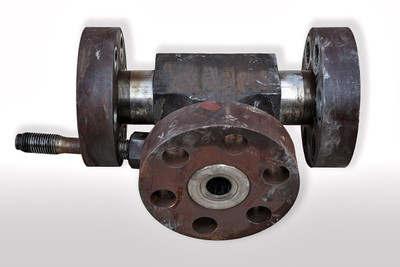
Pipe flanges connect piping, valves, pumps, and equipment by using a flange face, gasket or O-ring sealing surface, and bolts or clamps to hold the joint together. In hydraulic and industrial systems, the practical issue is choosing the correct flange connection and avoiding misalignment, wrong pressure class, or the wrong seal.
Before ordering, confirm flange type, size, pressure rating, bolt pattern, face style, material, gasket or O-ring requirement, and whether the connection is welded, threaded, socket weld, SAE hydraulic flange, or another standard.
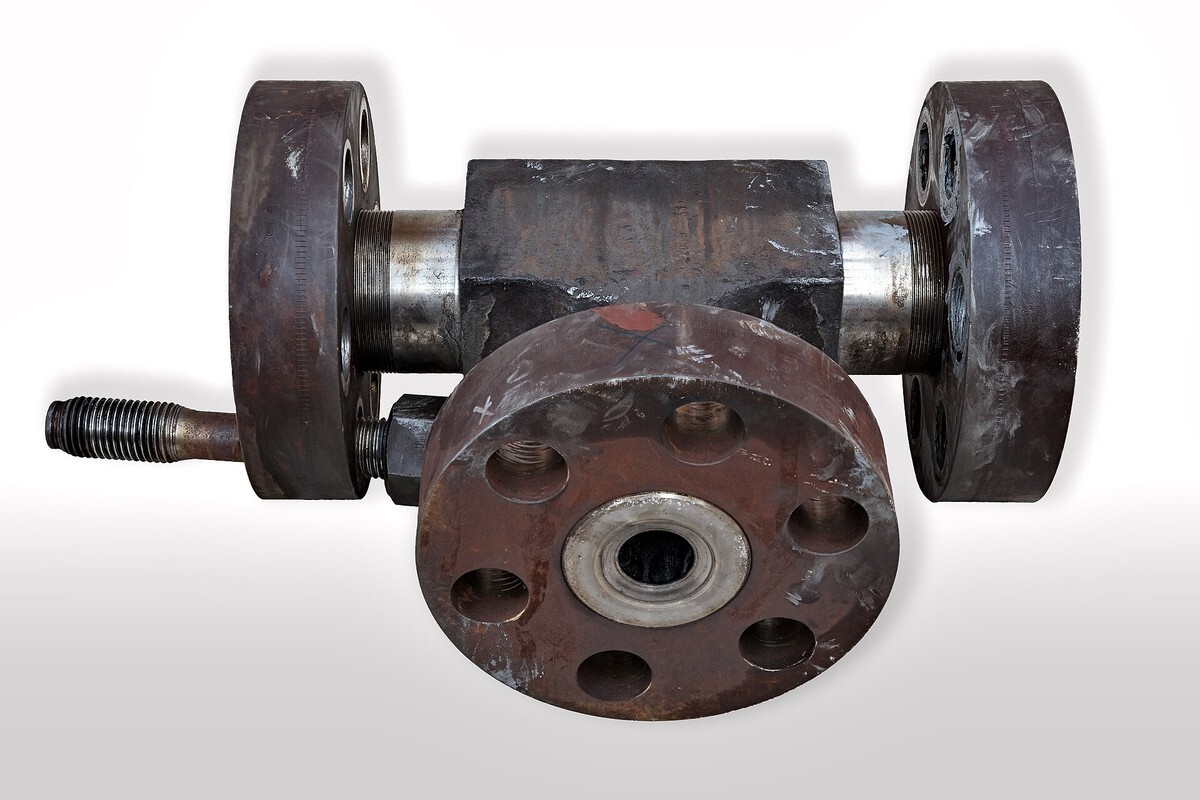
Common pipe flange types
Blind flanges
Blind flanges close the end of a piping or equipment connection. They are used when a line needs to be sealed for service, expansion, or inspection access.
Lap joint flanges
Lap joint flanges are used with stub ends and can help where alignment or frequent disassembly is important. The flange can rotate before tightening, which can make bolt alignment easier.
Slip-on flanges
Slip-on flanges slide over the pipe and are welded in place. They are common in many piping systems but must be selected and welded according to the pressure and service requirements.
Socket weld flanges
Socket weld flanges accept the pipe into a socket before welding. They are often used on smaller high-pressure lines where the application allows this style.
Threaded and weld neck flanges
Threaded flanges can be installed without welding in suitable service. Weld neck flanges are welded to the pipe and are used where strength and stress distribution are important.
Reducing and orifice flanges
Reducing flanges connect different pipe sizes. Orifice flanges support flow measurement using an orifice plate and pressure taps.
Hydraulic flange connections
Hydraulic systems may use SAE Code 61 or Code 62 flange connections, split flange clamps, flange adapters, flange plugs, and O-ring face sealing. These are not the same as general pipe flanges. Code 61 and Code 62 parts differ by pressure class, dimensions, and application. Mixing them can create sealing and safety problems.
When replacing a hydraulic flange adapter, check the port, bolt pattern, flange head size, O-ring groove, pressure rating, and mating component. A damaged O-ring groove or scratched face can leak even with the right part number.
Alignment and installation risk
Flange joints are sensitive to alignment. If pipe or hose routing pulls the flange sideways, the gasket or O-ring may not compress evenly. Misalignment can also overload bolts, stress the pipe, or create a leak after startup. The repair should correct the alignment problem instead of only tightening the bolts harder.
Use the correct bolt grade, tightening sequence, gasket or O-ring, lubrication practice, and torque method for the flange style. For hydraulic flange clamps, make sure clamp halves, bolts, and flange head are matched.
What to check before ordering
- Flange standard or style, including SAE hydraulic flange if applicable.
- Size, pressure class, and bolt pattern.
- Face style, O-ring groove, gasket, or sealing surface condition.
- Material, plating, corrosion exposure, and fluid compatibility.
- Pipe, tube, hose, or valve connection on the opposite side.
- Clearance, alignment, and whether the connection will be disassembled for service.
Related HGW categories
FAQ
Are hydraulic SAE flanges the same as pipe flanges?
No. SAE hydraulic flange connections use specific flange heads, clamps or bolt patterns, and O-ring sealing. General pipe flanges follow different standards.
What causes a flange connection to leak?
Common causes include wrong flange type, damaged gasket or O-ring, scratched sealing face, misalignment, wrong bolt pattern, uneven tightening, or incorrect pressure class.
What should I send to identify a flange adapter?
Send photos of the flange face, bolt pattern, O-ring groove, opposite end, markings, and measurements for bolt spacing and flange head size.