
Superalloy Fittings: Monel, Hastelloy, Inconel, and Alloy Selection
HGW Hydraulics on Apr 21st 2021

Quick answer
Superalloys are selected when normal carbon steel, brass, or common stainless steel does not fit the environment. The buyer should connect the alloy decision to corrosion, temperature, pressure, media, cleaning process, safety risk, and availability.
Do not choose an alloy name before confirming the connection. A Monel, Hastelloy, or Inconel fitting with the wrong thread or seal is still the wrong part.
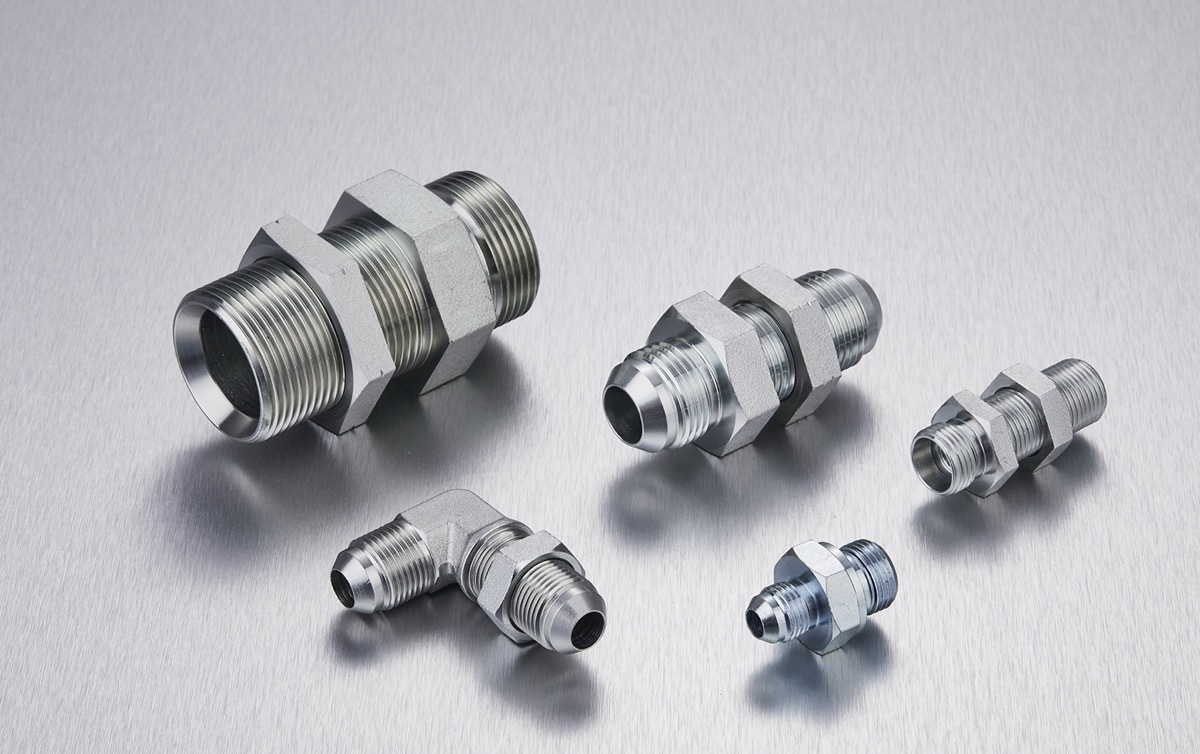
Alloy 400 and Monel-style nickel copper alloys
Alloy 400 is a nickel-copper alloy family often discussed for seawater, steam, salt, and caustic exposure. It can be relevant in marine, offshore, chemical, and other corrosive settings.
For fittings, the buyer still has to check pressure rating, temperature, connection family, and whether the mating material creates a galvanic or compatibility concern.
6Mo and high-alloy stainless options
6Mo stainless alloys are used where pitting and crevice corrosion are concerns. They can be considered when standard stainless grades do not provide enough corrosion resistance.
The practical decision is usually driven by chloride exposure, washdown, chemical process, offshore service, and cost of downtime. Documentation and material traceability may matter as much as catalog availability.
Hastelloy and Inconel families
Hastelloy-type nickel alloys are often used around aggressive chemical media. Inconel-type nickel chromium alloys are often discussed for heat, oxidation, and demanding strength requirements. These are not casual substitutions.
Before requesting a specialty alloy fitting, define the fluid or gas, concentration, temperature, pressure, ambient exposure, and cleaning process. The same alloy can be excellent in one environment and wrong in another.
HGW buyer path
For most hydraulic replacement work, start with the standard connection and material first. If the application requires a specialty alloy, attach the old fitting photos, drawing, material specification, quantity, media, pressure, and temperature.
HGW can help compare standard fitting families such as JIC, ORB, ORFS, BSP, Metric / DIN, and flange adapters before custom alloy sourcing is discussed.
FAQ
Are superalloy fittings always better than stainless steel?
No. They are better only when the service environment requires their corrosion, temperature, or strength behavior. They can also cost more and take longer to source.
What information is needed for alloy selection?
Provide media, concentration, temperature, pressure, ambient exposure, cleaning process, connection standard, and any material specification from the drawing or customer.
Can I choose alloy by price?
Price matters, but corrosive or high-temperature service should be selected by compatibility and risk first.