
Tube Fitting Connections: Why Thread and Ferrule Design Matter
HGW Hydraulics on Mar 18th 2021
Quick answer
A tube fitting connection is better only when it matches the job: tube outside diameter, thread form, ferrule or sleeve design, material, pressure, vibration, and installation access. A stronger thread or a more advanced ferrule design does not help if the tube size, seat, or mating port is wrong.
For HGW buyers, start by separating the connection into three checks: how the thread is made and engaged, how the tube is gripped, and how the seal is formed. Then match the fitting family to the machine rather than choosing by appearance.
Rolled threads, cut threads, and why thread quality matters
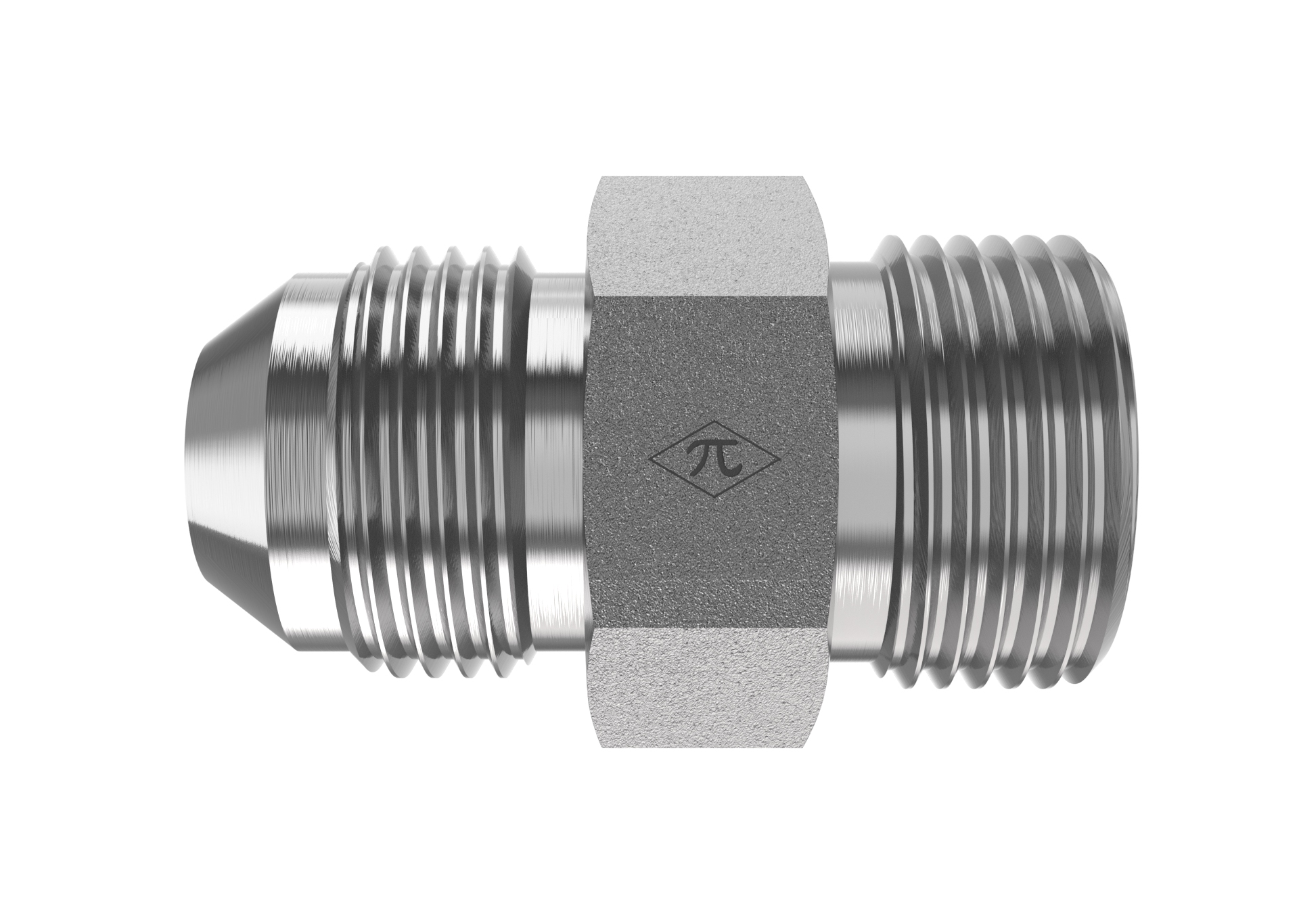
Rolled threads are formed by displacing material, which can leave a smoother surface and a grain flow that follows the thread shape. Cut threads remove material to form the profile. The practical buying point is not that one label solves every problem; it is that thread quality matters when fittings see vibration, pressure cycling, repeated assembly, or high tensile load.
When replacing a tube fitting, inspect the old male and female threads. Flattened crests, galling, cross-threading, rust, or a fitting that bottoms too early can make a correct part leak. A buyer should not use extra torque to compensate for damaged threads or a mismatched standard.
Single ferrule and double ferrule designs do different jobs
Single ferrule fittings use one ferrule or sleeve to grip and seal the tube. They can be simple and fast to assemble in light or less critical service. Double ferrule fittings split the work between a front ferrule and back ferrule, giving the connection more controlled tube grip and sealing support in demanding instrumentation service.
The decision depends on tube material, wall thickness, pressure, vibration, gas or liquid service, and whether the line will be disassembled. Do not mix nuts, ferrules, and bodies from different manufacturers unless compatibility is confirmed.
Installation decides whether the design works
A tube fitting can fail even when the catalog family is correct. Cut the tube square, deburr it, clean the OD, insert the tube fully, hold the body with a backup wrench, and tighten the nut according to the fitting maker instructions. For some sizes, pre-setting tools or inspection gauges may be required.
If the tube is scratched, oval, undersized, too hard, too soft, or not fully seated, the ferrule may not bite correctly. That is why tube preparation belongs in the buying decision, especially for maintenance teams replacing parts in the field.
Where HGW categories fit
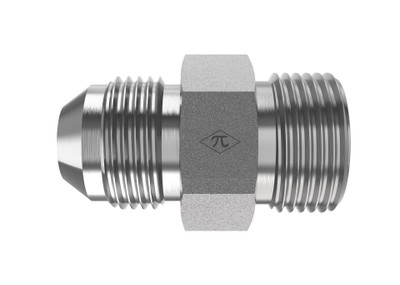
For flareless tube work, start with Flareless bite type tube fittings or Metric / DIN 2353 fittings. If the connection adapts to a hydraulic hose or port, compare the other end against 37 degree JIC fittings, SAE O-ring boss fittings, ORFS fittings, or BSP fittings.
Send the tube OD, thread size, material, pressure concern, and photos of both ends when a connection is unclear. That information is more useful than a cropped photo of the nut alone.
Mistakes to avoid
- Choosing a tube fitting by nut size only.
- Reusing damaged ferrules or installing on scratched tube.
- Mixing ferrules, nuts, and bodies across brands without confirmation.
- Assuming a metric tube fitting, BSP thread, and JIC flare can be compared by thread diameter alone.
- Ignoring vibration, access, and repeat assembly requirements.
FAQ
Are double ferrule fittings always better than single ferrule fittings?
No. Double ferrule designs can offer strong grip and controlled sealing in demanding instrumentation service, but the correct choice still depends on tube size, material, pressure, vibration, media, and installation requirements.
What should I measure before ordering a tube fitting?
Measure tube outside diameter, thread size and pitch, body shape, material, and the sealing style. Also record whether the fitting uses a ferrule, sleeve, flare, O-ring, or face seal.
Why do tube fitting connections leak after replacement?
Common causes include poor tube preparation, wrong ferrule style, damaged threads, mixed components, under-tightening, over-tightening, or a fitting family that does not match the mating part.