
Types of Hose Fittings and When to Use Them
HGW Hydraulics on Feb 23rd 2021
Quick answer
Hose fittings can be grouped by assembly method and by sealing method. The assembly method is usually permanent crimp or field attachable. The sealing method may be metal-to-metal, soft seal, O-ring, or tapered thread. Both questions matter before ordering a hose assembly.
For HGW buyers, identify the hose type, pressure, end connection, fitting orientation, and whether the application needs a factory-crimped assembly or a serviceable fitting style.
Permanent crimp fittings
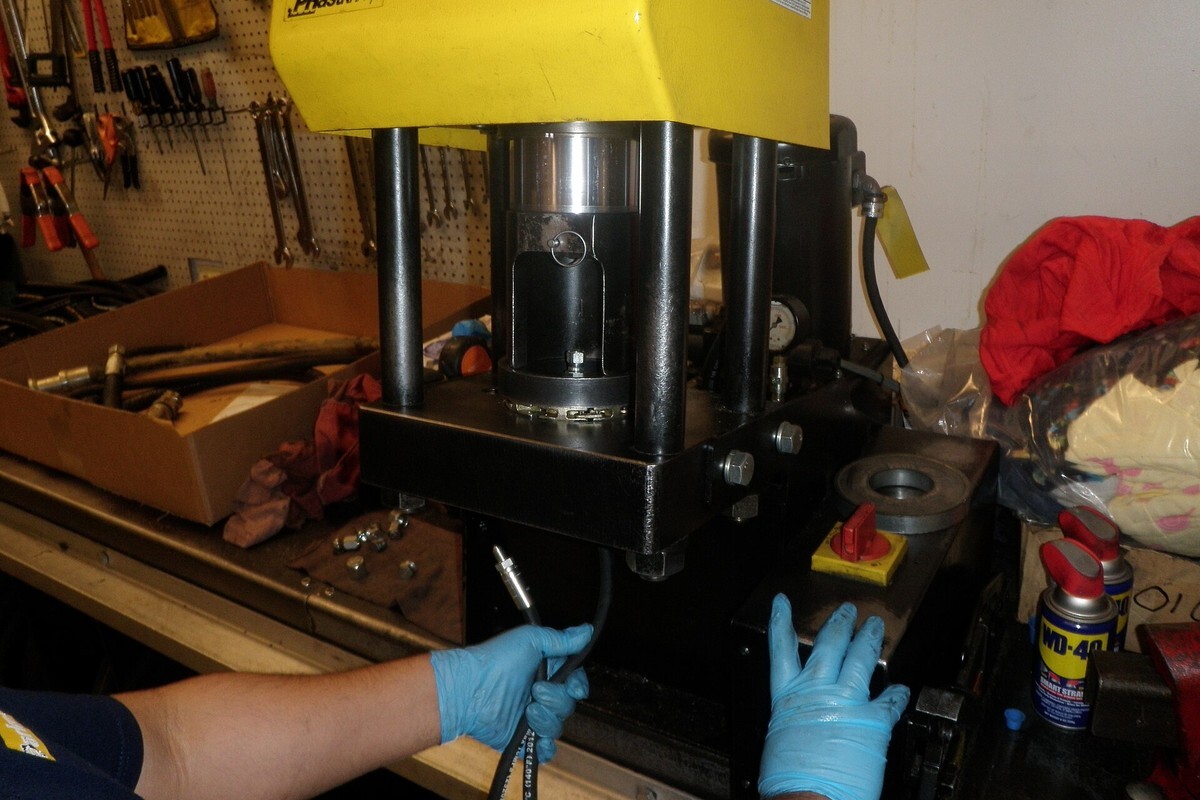
Permanent crimp fittings are attached to hydraulic hose with a crimping machine and the correct die, ferrule, stem, and crimp specification. They are common for hydraulic service because they provide a controlled connection when the hose, fitting, and crimp data are matched.
The important point is that crimped fittings are not universal. A fitting from one system should not be crimped onto an unrelated hose without approved specifications. Incorrect crimp diameter, wrong stem, or wrong ferrule can create leaks or hose blow-off.
Field attachable fittings
Field attachable fittings are designed so a hose assembly can be made or repaired without a crimping machine, depending on the hose and fitting style. They can be useful for remote service or emergency repair, but they still require the correct hose type, fitting series, pressure rating, and assembly procedure.
Do not treat field attachable as a shortcut for every hydraulic line. High pressure, impulse, vibration, temperature, and safety requirements may make a properly crimped assembly the better choice.
Metal seal, soft seal, and tapered thread ends
Metal seal fittings depend on machined surfaces such as a flare seat. JIC fittings are a common example. Soft seal fittings use an elastomer such as an O-ring, as with ORB or ORFS connections. Tapered thread fittings such as NPT seal through thread interference and sealant practice.
The end connection must match the mating port or adapter. A hose end can have the correct hose side and still be wrong on the machine side if the thread or seal family does not match.
When to use which style
- Use a permanent crimp assembly when the hose specification, pressure, and crimp data are known and repeatability matters.
- Use field attachable fittings only with compatible hose and when the application allows that service approach.
- Use JIC-style metal seals when the equipment is designed for flare connections and the seat is undamaged.
- Use ORFS or ORB soft seals when the machine uses O-ring sealing surfaces and the O-ring material matches the fluid.
- Use tapered pipe thread only where the port is designed for it and the sealant practice is appropriate.
Ordering details that prevent mistakes
Record hose ID, pressure rating, fitting end types, clocking/orientation, overall length, and whether the fitting is straight, 45 degree, 90 degree, swivel, male, female, flange, or adapter. Take photos before removing the hose so the replacement follows the same route without twist or tension.
Related HGW categories
FAQ
What is the difference between crimp and field attachable hose fittings?
Crimp fittings are attached with a crimping machine and approved crimp data. Field attachable fittings are assembled manually with compatible hose and fitting instructions.
Are hose fitting threads the seal?
Sometimes, but not always. Flare and O-ring fittings use threads to pull the joint together while the seal happens at the seat or O-ring.
What should I measure before ordering a hose fitting?
Confirm hose size, fitting thread, gender, seal type, body angle, fitting orientation, pressure rating, and overall hose assembly length.