
Valve Types in Process Systems: What Hydraulic Buyers Should Know
HGW Hydraulics on Mar 4th 2021

Quick answer
Process systems can use many valve types: ball valves, needle valves, check valves, relief valves, bleed valves, plug valves, toggle valves, metering valves, manifold valves, and actuated valves. The valve body controls flow, but the surrounding fittings and adapters determine whether the valve can be installed, sealed, and serviced correctly.
For HGW buyers, confirm the valve port style, thread, pressure, temperature, material, media, flow direction, and whether the connection needs a tube fitting, pipe adapter, ORB, ORFS, NPT, BSP, metric, flange, or instrumentation fitting.
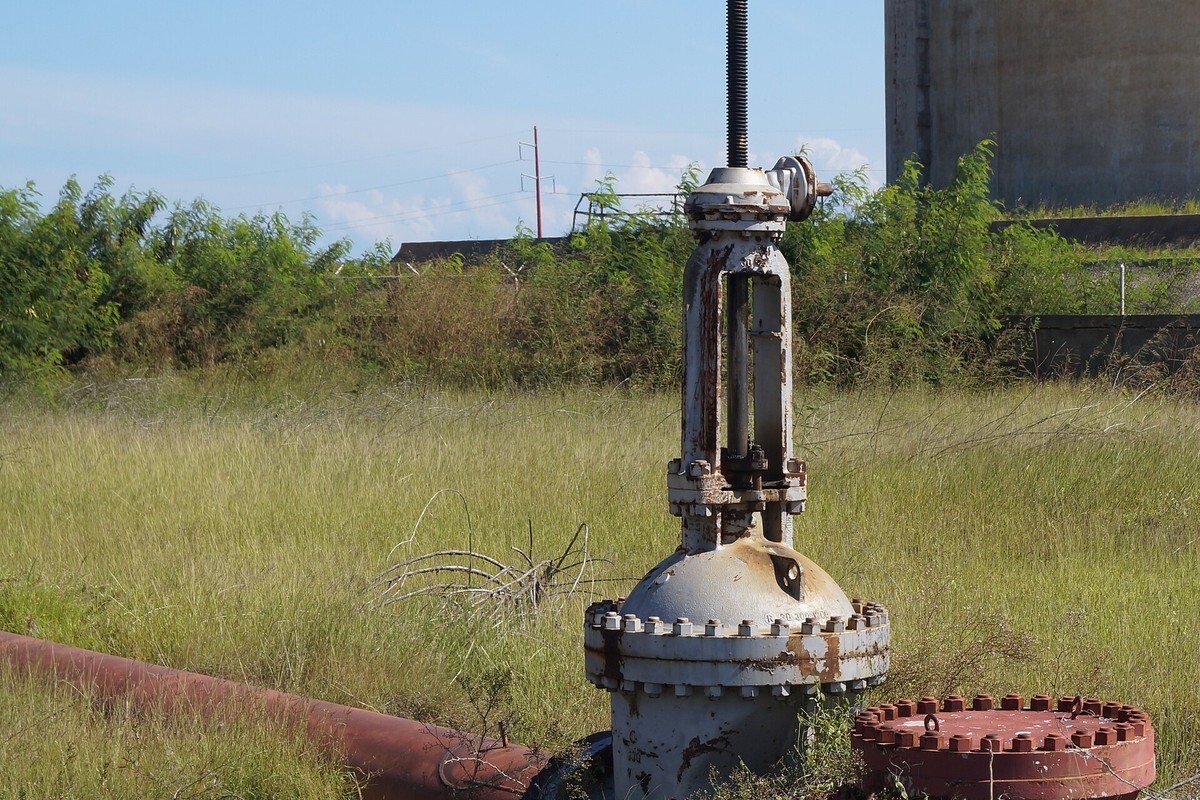
Common valve types
Ball valves
Ball valves provide quick shutoff with a quarter-turn handle. They are common where operators need clear open/closed control, but they should be selected for pressure, media, seal material, and port connection.
Needle and metering valves
Needle valves and metering valves are used when flow needs finer adjustment. The tubing and fittings around these valves must be clean and properly supported because small passages can be sensitive to contamination and vibration.
Check valves
Check valves allow flow in one direction and help prevent backflow. Flow direction, cracking pressure, and end connections must be confirmed before replacement.
Relief and bleed valves
Relief valves protect against excess pressure, while bleed valves help vent pressure or trapped fluid. These should never be substituted casually because settings and safety function matter.
Manifold and actuated valves
Manifold valves combine multiple flow paths in a compact block. Actuated valves use pneumatic, electric, or hydraulic actuation for remote or automatic control. Both require careful port and adapter matching.
Port and fitting checks
The valve connection may be pipe thread, straight thread O-ring, tube fitting, flange, compression, or another instrumentation connection. Matching the wrong adapter can damage the valve body or create a leak at the port. Before ordering, identify whether the seal is made by tapered thread, O-ring, flat face, flare seat, compression ferrule, or gasketed flange.
Also confirm whether the valve needs male or female adapters, straight or elbow fittings, panel-mount fittings, bulkhead fittings, or tube connectors. Service clearance can decide the body shape.
Material and media compatibility
Valve systems may carry hydraulic oil, water, gas, chemicals, steam, or process media. Fittings and adapters should match the valve body material and the media. Stainless steel may be needed for corrosion resistance, while carbon steel may be suitable for many hydraulic oil applications. Seal materials must also match fluid and temperature.
Installation mistakes to avoid
- Do not use a tapered pipe fitting in a straight-thread O-ring port.
- Do not assume a valve can be installed in either flow direction.
- Do not reuse adapters with damaged seats, threads, or O-rings.
- Do not ignore handle or actuator clearance.
- Do not replace a relief or metering valve without confirming the setting and function.
Related HGW categories
FAQ
What valve types are common in process systems?
Common types include ball, needle, metering, check, relief, bleed, plug, toggle, manifold, and actuated valves.
Why do valve adapters leak?
Leaks often come from the wrong thread, wrong sealing method, damaged O-ring, scratched seat, poor sealant practice, or unsupported tubing.
What should I check before replacing fittings around a valve?
Check port type, seal method, thread, material, pressure, temperature, media, flow direction, and physical clearance.